
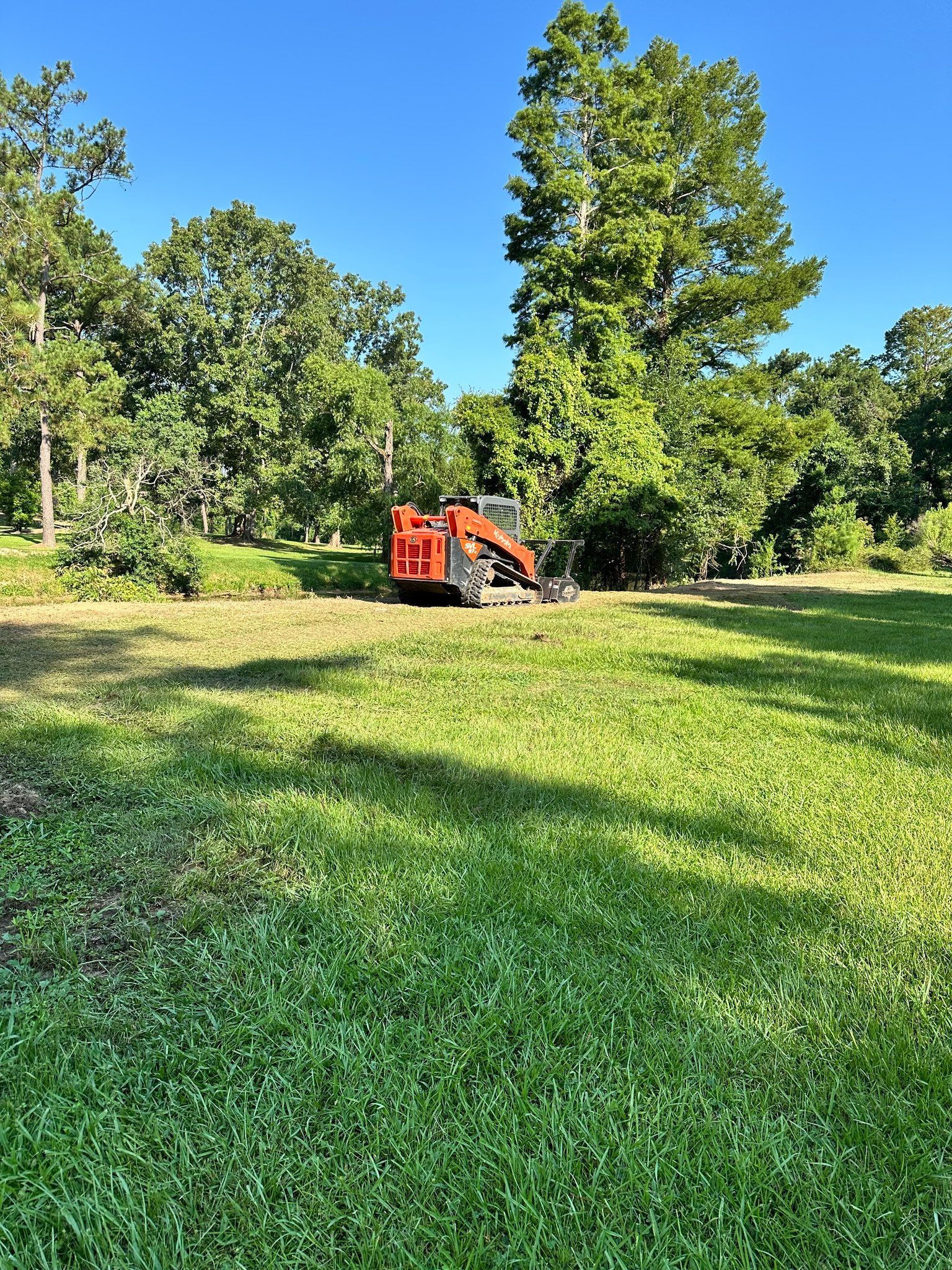
Land That Works for Your Intended Use
Site Development in Folsom for properties requiring grading, drainage systems, and access roads
Site preparation in southeast Louisiana requires attention to soil drainage, seasonal water table fluctuations, and access planning on rural parcels. Southern Land Dynamics, LLC handles site development in Folsom, preparing raw land for construction, agricultural use, or improved property functionality. The work includes evaluating existing topography, determining cut and fill requirements, and establishing drainage patterns that account for the region's high rainfall and clay-heavy soils.
Site development involves clearing vegetation, reshaping land to proper grades, installing culverts or drainage structures, and creating stable access routes. The process addresses subsurface water movement, erosion control during heavy rain events, and compaction requirements for long-term stability. In areas with poor natural drainage, this often means creating positive flow paths away from structures and toward designated discharge points.
Schedule a property evaluation to assess grading needs and drainage requirements for your land.
What Proper Site Preparation Accomplishes
Site work begins with surveying existing elevations and identifying low spots, water flow patterns, and areas where fill or excavation will be needed. The soil is reshaped to create slopes that direct water away from building sites, prevent pooling in access areas, and tie into natural drainage features or installed systems. Compaction is applied in layers to prevent future settling, particularly where driveways or roads cross soft ground.
Once grading is complete, you'll see level building pads that remain dry during rain, driveways that shed water to the sides rather than holding puddles, and clear drainage channels that move runoff predictably. Southern Land Dynamics, LLC establishes these grades with equipment capable of precise cuts and fills, ensuring the land functions as designed rather than requiring repeated adjustments. The surface remains stable under vehicle traffic and doesn't develop ruts or erosion gullies after storms.
Site development also includes decisions about where to place access roads relative to property boundaries, utility easements, and future structures. The layout affects how easily equipment can reach different areas, where stormwater collects, and how much maintenance the property will require. These choices are made based on soil type, planned use, and the land's natural drainage tendencies.
What Property Owners Usually Ask
Site development questions often focus on drainage performance, access stability, and how the land will hold up under use. These answers address the practical concerns that come up during land preparation projects.
What determines how much grading is needed for a site?
The amount of grading depends on the difference between existing elevations and the final grades required for proper drainage and use. Properties with significant elevation changes, low areas that collect water, or uneven terrain require more cut and fill work to create functional surfaces.
How does site development address drainage in areas with heavy rainfall?
Site work in Folsom establishes positive slopes that direct water away from structures and access routes, often incorporating culverts, swales, or catch basins to manage high-volume runoff. Clay soils common in the region drain slowly, so surface grading becomes the primary method for moving water off the property efficiently.
What makes a driveway stable on soft or wet ground?
Stability comes from excavating unsuitable material, adding compacted base layers, and establishing a crown or slope that sheds water before it softens the subgrade. Without proper compaction and drainage design, driveways develop ruts and require frequent regrading.
When should site development happen relative to construction?
Site work typically occurs before construction begins, providing a dry, level work area for equipment and materials. Completing grading and drainage first prevents water problems during building and establishes permanent flow patterns that protect the finished structure.
What site conditions increase the cost of development?
Extensive clearing of mature trees, deep cuts or fills to achieve target grades, poor soil requiring removal and replacement, and long driveway installations all add to site development costs. Properties with severe drainage issues or challenging access also require more material and equipment time.
Southern Land Dynamics, LLC completes site development projects by coordinating grading, drainage installation, and access construction into a functional land package. Arrange an on-site consultation to review your property's topography and discuss the site work needed to prepare it for your intended use.