
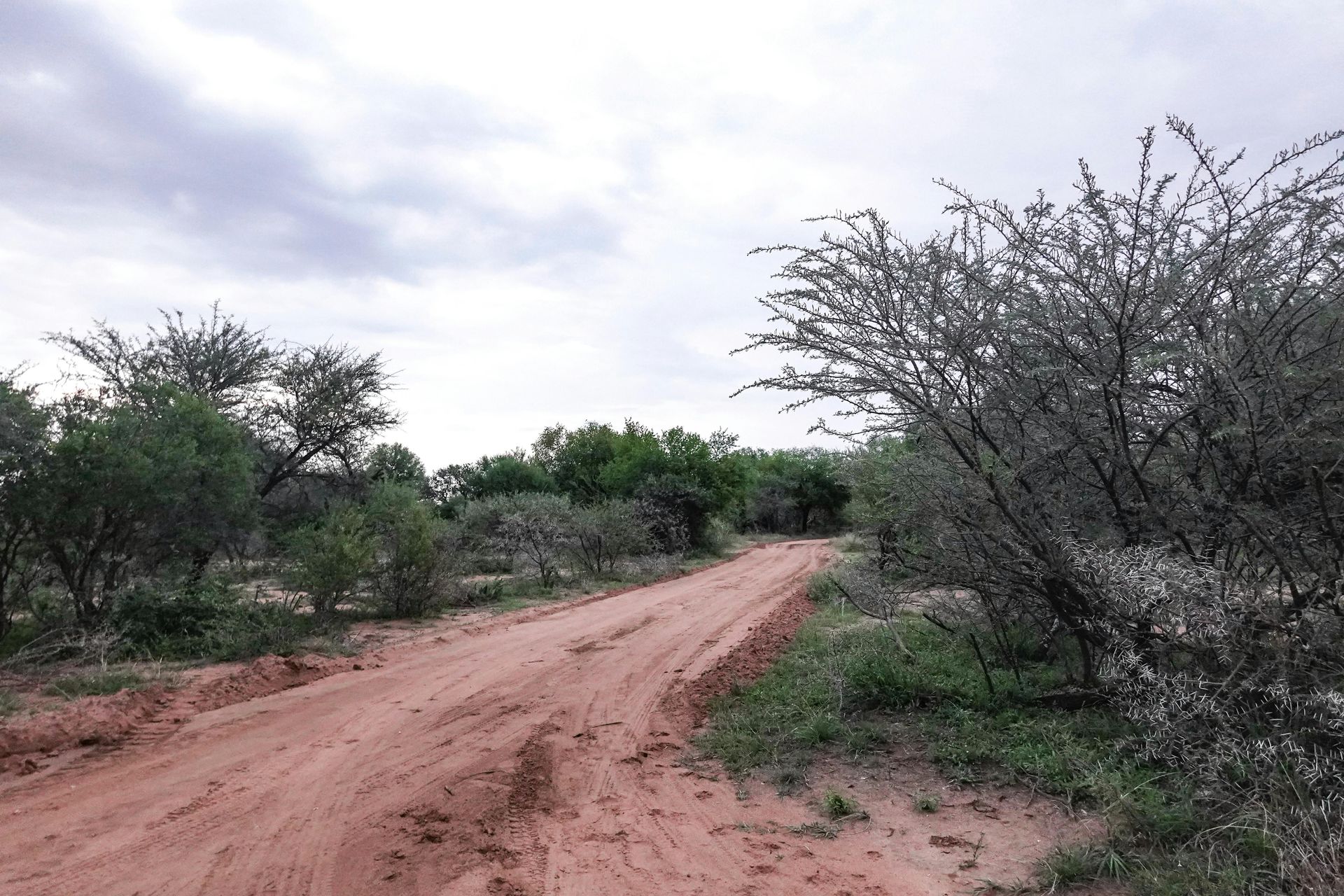
Access Routes Built for Long-Term Traffic
Driveway Development in Folsom for properties needing reliable vehicle access over soft or uneven terrain
Driveways that remain passable through wet seasons require more than surface gravel. You need subsurface preparation that accounts for soil type, water movement, and the weight of vehicles that will use the route. Southern Land Dynamics, LLC installs driveways in Folsom that address the region's clay soils and seasonal saturation, using base layers and drainage measures that prevent rutting and washouts. The work involves excavating soft material, building a stable foundation, and crowning the surface to shed water.
Driveway development includes clearing the route, removing organic material that decomposes and settles, and compacting fill in lifts to support vehicle loads. Proper installation means water drains to the sides rather than pooling on the surface, and the base doesn't shift under repeated use. In low-lying areas or where groundwater is high, additional measures like culverts or geotextile fabric keep the base from mixing with subsoil.
Request a detailed estimate based on your property's soil conditions and access requirements.
How Driveway Construction Prevents Ongoing Maintenance
The process begins with staking the route and excavating to a depth that removes unsuitable material—typically topsoil and any soft clay that won't compact properly. A base layer of crushed stone or road base is spread and compacted in sections, creating a firm platform that distributes weight and resists deformation. The driveway is crowned in the center or sloped to one side so rainwater runs off before it saturates the base.
After installation, you'll notice the driveway stays firm during rain, doesn't develop standing water or mud, and holds its shape under vehicle traffic. The surface remains level without potholes or ruts forming after heavy use. Proper driveway development also eliminates the need for annual regrading or repeated gravel applications to fill low spots.
The length of the driveway, number of culverts required, and depth of base material all affect the project scope. Driveways crossing wet areas or serving heavy equipment demand thicker bases and better drainage than residential routes with light traffic. These details are determined during the site visit based on observed soil conditions and intended use.
Answers to Frequent Service Questions
Driveway projects raise questions about material choices, drainage needs, and what prevents the surface from deteriorating. The following addresses common concerns from property owners planning access improvements.
What causes driveways to develop ruts and soft spots?
Ruts form when water saturates the base material or when the subgrade beneath the driveway isn't stable enough to support vehicle weight. Without proper compaction and drainage, repeated traffic pushes the base material into the soft soil below, creating depressions that worsen over time.
How is the driveway route prepared before material is placed?
Preparation involves removing topsoil and any organic material, excavating soft or unsuitable soil, and compacting the exposed subgrade. If the ground is particularly soft, geotextile fabric is laid down to separate the base rock from the underlying soil and prevent intermixing.
What type of base material works best for driveways in Folsom?
Crushed limestone or road base with angular edges compacts tightly and resists shifting better than rounded gravel. The material should contain a mix of stone sizes that lock together when compacted, creating a dense layer that doesn't move under load.
Why do some driveways need culverts while others do not?
Culverts are installed where the driveway crosses a natural drainage path, ditch, or low area where water flows during rain. Without a culvert, water backs up on one side of the driveway, causing erosion and undermining the base. The number and size of culverts depend on how much water moves through the area.
How thick does the base layer need to be for vehicle traffic?
Residential driveways typically require four to six inches of compacted base material, while routes serving heavier equipment or commercial vehicles need eight inches or more. The thickness depends on the subgrade strength, anticipated traffic, and whether the driveway crosses areas prone to staying wet.
Southern Land Dynamics, LLC builds driveways by addressing both surface and subsurface conditions, ensuring the access route remains functional through seasonal weather changes. Set up a site visit to walk the proposed route and discuss the drainage and base requirements for your property.